Hurricane season walk-through
Outside
- Look for missing or lifted shingles and cracked flashing
- Clear gutters, downspouts and the swale
- Check window and door seals
- Look at the garage door weatherstrip
Inside
- Check attic for stains and damp insulation
- Find your main water valve and breaker panel
- Photograph each room for your records
- Move valuables off the floor in low rooms
Hurricane season in Florida runs from June through November. Most of the water damage from a storm is not flood. It is rain pushed sideways through places that are dry on a normal day.
A walk around the house before the season starts takes an hour and finds most of the weak spots.
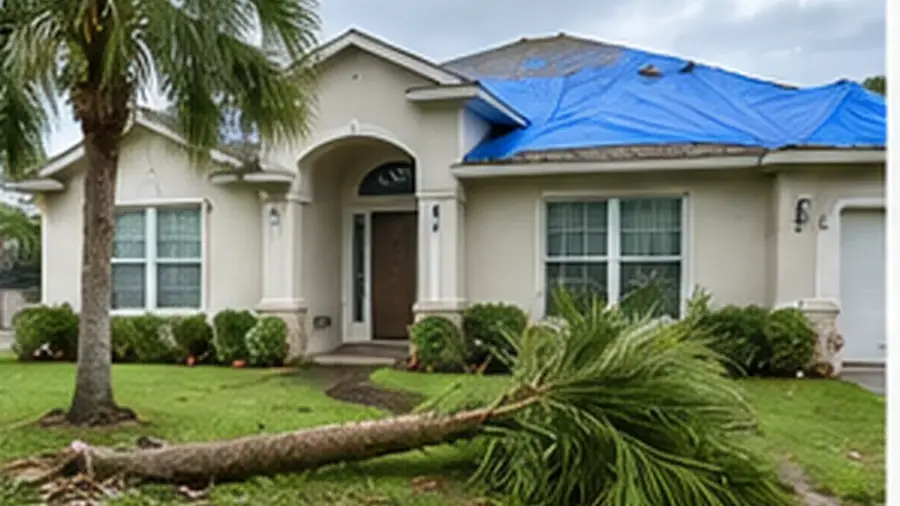
How wind-driven rain gets in
Wind pushes rain up and under shingles, around window frames and beneath door sweeps. Water that would run off in still air is forced into seams.
Once inside, it runs along rafters and drips from ceilings far from the opening, so the stain is rarely under the leak.
The roof and the attic
Look for lifted or missing shingles, cracked sealant around vents and flashing that has pulled away. In the attic, a flashlight shows dark stains on decking and compressed insulation.
Roof repair is a roofer's job. A small repair before the season costs far less than a ceiling after a storm.
Windows, doors and the garage
Check caulk and seals on windows, door sweeps and the garage door weatherstrip. Garages are low and exposed, and water that gets in often wicks into the shared wall.
On the barrier island, add a look at anything near ground level. Surge does not care about the roof.
Securing the inside before a storm
Prep indoors takes less time than shutters and matters just as much for water. Move valuables and electronics off the floor in ground-level rooms. Lift rugs and bookshelves away from exterior walls where wind-driven rain tends to collect.
Fill a bathtub only if you need water for flushing, and know where the main valve is. If the forecast calls for surge or flooding, think about shutting off power to the ground floor at the panel before water arrives, but only if you can do it safely and the area is dry.
Take photos of each room, the attic hatch and the roof from the ground. Keep your insurance policy number and agent contact in a place you can reach without the internet.
After the storm, in order
Start with safety. Look for downed lines, standing water near outlets and ceilings that sag. If you smell gas or see damage to the electrical panel, leave and call the utility.
Photograph before you move or throw out anything. Then stop more water from coming in, for example by covering a broken window from the inside. Remove standing water where you safely can, and start drying wet rooms as soon as it is safe.
Calls for help rise sharply after a named storm. A short, clear description of what you see, where the water came in and what has been done speeds up the first conversation.
Questions to settle before the season
A few questions are easier to answer in May than in the middle of a storm. Who will you call for a roof tarp? Do you know what your policy says about wind, rain and flood, and what the hurricane deductible is? Is your flood coverage active, since many policies have a waiting period before they start?
Decide where valuables will go, and take photos for your records now. If you leave for a storm, decide who has a key and who will check the house afterward.
If you have a seasonal home, ask a neighbor or property manager to be your contact for the season. Give them the main valve location, your phone number and permission to call a tarp company or a cleanup company if something happens.
Finally, read this once more in June. Plans made in a calm month are easier to follow when the sky turns gray, and a one-page list on the fridge beats any memory of what you meant to do.
Salt water, rain and what each means for the cleanup
After a storm, the type of water decides the work. Rain through a roof opening is usually gray water, while surge or flood water from outside is contaminated. A house can have both after the same storm, and the plan differs for each part.
If surge reached the house, salt water versus fresh water flooding explains why salt water needs a wash step as well as drying. For rain that came through the roof, how water damage categories work explains how time and source push water into a higher category.
Keep your notes simple. Write down when the storm hit, when you first saw water and what you did first. If a claim follows, how homeowners insurance often treats water damage lists the terms and records that tend to matter.
Plan for after the storm
Know where the main valve and the breaker panel are, and keep a flashlight and your insurer's number together. After a storm, photograph the damage before moving anything, stay out of rooms with sagging ceilings and keep clear of standing water near outlets.
Power loss slows drying, so removing wet materials quickly matters even without equipment.
When water does get in
Our storm and hurricane water damage restoration page explains what happens next, and island owners can read about water damage restoration in Indian River Shores. Calls spike after a storm, so planning ahead helps.
Questions readers ask
InsuranceShould I photograph my home before the season?
Yes. Photos of each room and the roof from before a storm give you a baseline to compare against after.
SafetyIs it safe to go in the attic after a storm?
Only if the ceiling below is sound and the attic is cool and dry. Stay out if there is sagging, standing water or electrical damage.
CostDo tarps help?
A roofer can tarp a damaged section to limit water until repairs are done. Keep the receipt.