
- Ground and soil
- Sandy flatwoods with a high water table
- Common home type
- Newer subdivisions plus homes near the river and inlet
- Top water risk
- Brackish flooding in strong weather and clogged swales
- What we check first
- Garage and porch thresholds, then walls behind them
Water damage restoration in Sebastian, FL covers a lot of ground. Sebastian is at the north end of Indian River County, about 14 miles from Vero Beach, and homes there deal with the river, the inlet area and fast-growing subdivisions built on sandy flatwoods.
Some problems come from the water around the town, and some come from the drainage inside neighborhoods. Both end up in the same places, garages and back porches, and from there into the walls.
Water damage restoration services we provide in Sebastian, FL
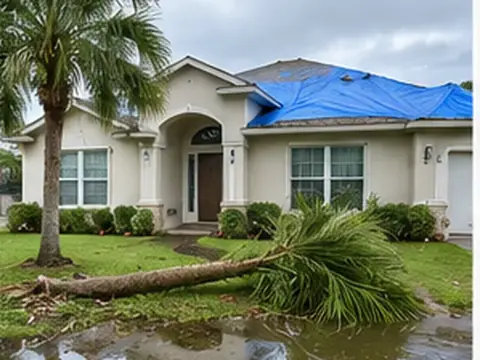
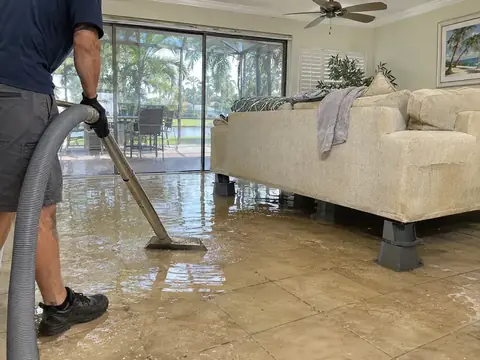
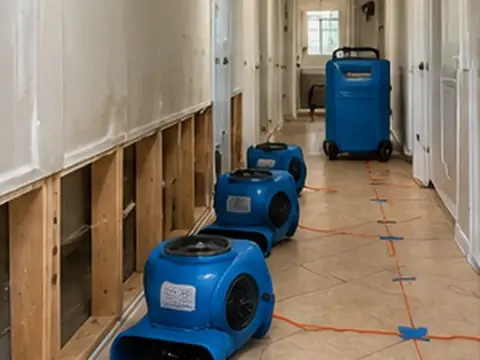
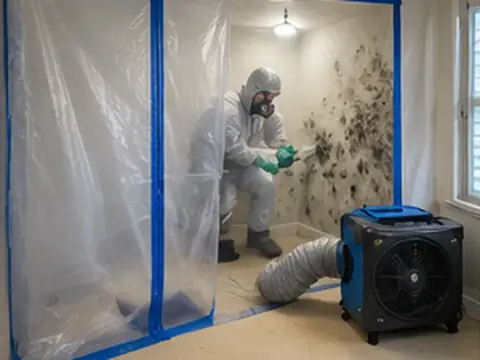
Sebastian water extraction and drying services near you
Other jobs people call us about
| If you are looking for | See |
|---|---|
| Hurricane water damage, storm flooding or wind-driven rain | Storm and Hurricane Water Damage |
| Flood cleanup, a flooded garage or standing water removal | Emergency Water Extraction |
| Drying out a wet house with dehumidifiers and air movers | Structural Drying |
| Mold testing, mold cleanup or a musty smell | Mold Removal |
| A roof leak, wet attic insulation or a sagging ceiling | Roof Leak and Ceiling Damage |
| Broken pipe, supply line or plumbing leak cleanup | Burst Pipe and Slab Leak Cleanup |
Seasonal risk through the year in Sebastian, FL
Hurricane season
June to NovemberRiver levels and surge can push water into low lots. Clear your swale before June.
Summer rainy season
Summer monthsShort, strong storms overload ditches that have not been cleared.
Winter dry season
Winter monthsDrier weather is the time to cut back vegetation in swales and ditches.
Snowbird departures
SpringHomes left empty in spring can sit damp if a garage door seal was already letting water in.
Where the water comes from in Sebastian
River and inlet flooding
Homes near the St. Sebastian River and the inlet area can see brackish flooding in strong weather. Brackish water carries salt and contaminants, so it is handled as Category 3 water and cleaned before drying.
Clogged swales and ditches
Many newer subdivisions rely on swales and drainage ditches to move rain away from homes. When vegetation clogs them, rain backs up and flows toward garages and back porches instead. Water that would have run past a house ends up against the door.
High water table
The sandy flatwoods soil holds a high water table. After several rainy days the ground cannot take any more, and drainage that works in a light rain stops working in a heavy one.
How rain ends up in a Sebastian garage
Clearing and checking your swale
Many Sebastian homes depend on a shallow swale along the lot to carry rain away. A swale full of clippings, leaves or overgrown plants cannot move water, and the rain finds another way, often toward the garage. Look at yours before the rainy season and after any heavy storm. Water should flow along it and not sit. Local rules decide who is responsible for ditches on public property, so check before you dig or regrade.
Garages and porches take the water first because they are the lowest part of many houses and have the weakest seal. Check the weatherstrip along the bottom of the garage door and look for a gap at the threshold. Inside, look at the wall shared with the house for stains near the floor. A small amount of water at the door can wick into that wall and stay there.
After brackish flooding, cleaning matters as much as speed. Salt left in materials keeps them damp. We remove what cannot be cleaned, wash and treat what can, and dry the structure before anything is rebuilt. Keep receipts and photos from the event for your insurer. Flood damage often needs a separate policy, so check yours early. If water reached the garage, ask us to check the slab edge and the shared wall too.
Newer subdivisions in Sebastian were built quickly on flat ground, and drainage that works in the first few years can change as plants grow in and lots are landscaped. A neighbor's fill or a new fence can send water onto your lot. If water reaches your garage more than once, the pattern is worth tracing.
Walk the lot during a rain, watch where the water flows and photograph it. That record helps you, your homeowners association and anyone you hire to fix the grading. Water that returns to the same spot also tells us to check that wall for hidden moisture, since repeated wetting can feed mold.
After a heavy rain at the house
- 0 hoursLook for standing water at the garage and porch. Stay out if water is near outlets or cords.
- Hour 1Photograph the water line and, if it is safe, clear plants and debris blocking the swale.
- Hour 6Check the wall shared with the garage for stains near the floor, and note any wet carpet.
- Day 1Get readings on the slab edge and the bottom of the wall, since water wicks upward.
- Day 2If brackish water got in, materials are cleaned and treated while drying continues.
Reference notes for property owners
Brackish water cleanup notes
Water from the river or inlet carries salt and contaminants. Treat it as dirty and keep people and pets out of it. Salt left in materials keeps them damp, so cleaning has to come with drying.
Swale reminders
Look at your swale before the rainy season and after major storms. Water should flow along it and not sit. Check local rules before regrading, since some ditches belong to the city or county.
Photos for your insurer
Take wide and close photos of the water line, the garage floor and any wet walls. Keep receipts for anything you buy to limit damage. Flood damage often needs its own policy, so check your coverage early.
Where water enters and what to check first
| Entry point | Why water gets in | Check first |
|---|---|---|
| Garage door threshold | Low point with a worn seal | Weatherstrip, then the shared wall |
| Sliding door track at a back porch | Water sits on the porch and runs into the track | Track drain holes and carpet near the door |
| Wall near a downspout | Downspout empties close to the foundation | Drywall near the floor and the baseboard |
| Exterior door sweep | Gap at the bottom when the lot floods | Floor edge and baseboard behind the door |
Questions from Sebastian homeowners
SafetyIs brackish flood water safe to handle?
No. Treat it as contaminated and avoid skin contact. Keep children and pets out, and call before moving wet items so we can tell you what to save.
CostDo I pay more for water that came from the river?
Usually yes, because contaminated water means more removal and cleaning. The price depends on the area and the materials affected.
Drying timeMy garage flooded and the house looks fine. Do I still need to dry?
Often yes. Water can soak into the wall shared with the house even when the rooms look dry. A moisture reading tells you.
InsuranceWhat records should I keep after a flood?
Photos with dates, receipts and any moisture readings. We provide readings and photos that you can share with your insurer, and we cannot promise what a policy covers.