
How policies often treat common situations
| Situation | How policies often treat it | What to do |
|---|---|---|
| Sudden pipe burst | Often covered for the resulting damage, but not the pipe itself | Report it promptly and keep photos |
| Slow leak over weeks | Often limited or excluded | Ask your agent how gradual loss is handled |
| Wind-driven rain after storm damage | Often depends on whether the wind made an opening | Document the opening and the damage |
| Flood water from outside | Usually needs a separate flood policy | Check whether you carry one |
| Sewer or septic backup | Often needs an added endorsement | Check your endorsements |
This is general information only. Policies differ, so read yours.
Homeowners insurance and water damage is a topic where the details decide everything. This post gives general information about how policies are often written. It is not advice, and it cannot tell you what your own policy covers.
The best step you can take is to read your policy and call your agent before something happens.
Sudden and accidental versus gradual
Many policies distinguish between a sudden and accidental discharge of water and a leak that went on for a long time. A pipe that bursts on Tuesday is often treated differently from a pinhole that dripped for months.
Wording varies a great deal. Look for phrases about continuous or repeated seepage, wear and tear and maintenance.
The cause and the damage can be treated separately
A policy might pay for water damage to floors and walls but not for repairing the pipe that failed. The cost of finding the leak, including opening a wall, may be covered in some policies and not in others.
That is why it helps to separate the plumber's repair from the cleanup and drying when you read your policy.
Storms and flood
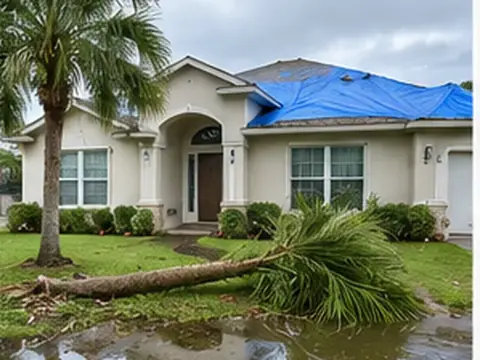
Wind and rain claims often depend on how water got in. Flood from rising water outside is commonly excluded from standard policies and covered under a separate flood policy. Surge and groundwater are usually flood, not rain.
If you live near the river or on the barrier island, check whether you carry flood cover.
Terms you will see in a policy
A few words come up again and again. A deductible is the amount you pay before the policy pays. An exclusion is a cause or situation the policy does not cover. An endorsement, sometimes called a rider, adds coverage that the base policy leaves out, and sewer backup is a common example.
Limits are caps. A policy may cover a type of loss only up to a stated amount, and mold and water backup often have their own. Sub-limits can be much lower than the main coverage, so look for them.
None of this changes by reading a blog post. It changes only by reading your own policy and asking your agent to explain anything unclear in plain terms.
Why speed matters to a claim
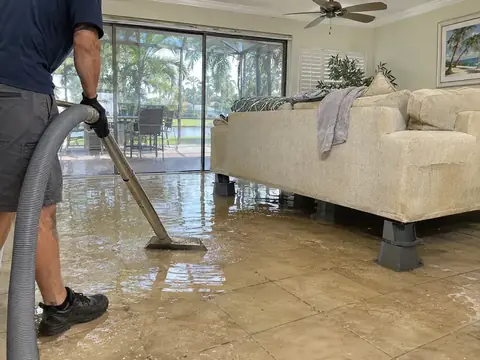
Many policies expect the owner to take reasonable steps to stop further damage once a loss happens. That can mean shutting off the water, removing standing water and starting drying. Waiting days while damage grows can complicate a claim.
Emergency steps are often treated differently from permanent repairs. Keep receipts for anything you buy or hire, and note who you spoke to at the insurer and when.
We cannot say what any insurer will accept. We can say that dated photos and moisture readings make the story of a loss much easier to follow.
Keeping a simple loss file
A simple folder makes any claim easier. Include your policy, photos from before and after, the dates of each event, receipts, names of people you spoke to and copies of any reports from plumbers or cleanup companies.
Preparing before anything goes wrong
The easiest claim to handle is the one you prepared for. Once a year, photograph each room, the exterior and the roof, and store the photos somewhere other than the house. Update the list when you buy new furniture or finish a remodel.
Know where your shutoffs are and who you would call. The steps in what to do in the first hour after a pipe bursts are worth reading before an emergency, since quick action often keeps a loss small. For seasonal owners, the water shut-off checklist for seasonal owners adds a leaving list that also feeds your records.
Ask your agent to walk you through your declarations page once a year. Policy terms change, and so do your needs. A ten minute call in a calm month beats a confused one after a loss.
Records that help any claim
Photos with dates, notes about when you found the water, receipts for emergency steps and a copy of the moisture readings all help. We document moisture readings and photos, which homeowners can share with their insurer. We do not offer assignment of benefits, and we cannot promise coverage.
Do not throw away damaged items until the insurer has seen them or told you that you can.
Questions to ask your agent
- How is a sudden leak treated compared with a slow one?
- Is mold covered, and is there a limit?
- Do I have flood coverage, and what does it exclude?
- What are the rules if the house is vacant for part of the year?
- What is my deductible for water damage?
If a leak has happened
Stop the water, take photos and call your insurer early. Our burst pipe and slab leak cleanup page explains the cleanup and drying side, and owners in Vero Beach South water damage restoration can see what we look for there.
Questions readers ask
InsuranceShould I call my agent before or after I call a cleanup company?
Stop the water first and take photos. Then call your insurer and a cleanup company. You do not have to wait for the insurer before starting emergency drying.
CostDoes filing a claim always raise my rates?
We cannot say. Ask your agent how claims affect your premium and your renewal.
MoldIs mold covered?
It varies, and many policies limit it. Check your mold coverage and ask what triggers it.