| Property type | Main concern | How drying is planned |
|---|---|---|
| Offices | Computers, files and getting staff back at their desks | Dry in sections so part of the office stays usable |
| Retail and restaurants | Inventory, floors and health rules for food areas | Work around opening hours, with sanitizing in kitchens and prep spaces |
| Condos and HOAs | Water moving between units and shared walls | Check the units above and below, and coordinate with the association |
| Medical offices | Cleanliness and patient areas | Containment and cleaning plans that keep clinical spaces separate |
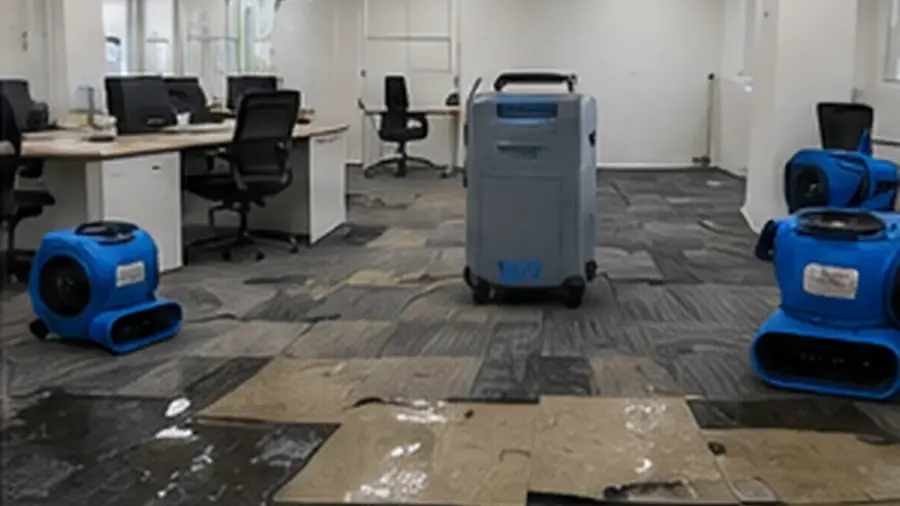
Commercial water damage restoration in Vero Beach has to work around a business that cannot simply stop. A burst line in a shop, a roof leak over an office or a pipe failure in a condo building each needs a plan that gets the space dry and open again.
We start with where the water went and who is affected. Then we schedule extraction, drying and cleanup around your hours, your tenants and your insurance process, and we record readings and photos along the way.
Typical water category
1 to 3, by source
Mold timing
Spreads through shared air systems
Do this first
Shut the water source and move stock and records up
Call us if
Water has reached more than one unit or space
How we handle a commercial job
- Take a call and stop the water. We walk whoever is on site through the shutoffs and ask about the building, hours and who needs to be told.
- Survey the space. We check moisture, mark affected areas and note what equipment, stock or records are at risk.
- Extract and protect. Standing water is removed, and valuable items are moved or covered.
- Dry on a schedule. Equipment is placed to leave aisles and entrances clear. We read the moisture daily and report on progress.
- Document and hand back. You receive readings, photos and a summary. Repairs follow once the space is dry.
Signs a commercial space needs help
- Water on the floor near a restroom, kitchen or break room
- Stained or sagging ceiling tiles
- A neighboring unit reporting water coming through a wall or ceiling
- Musty smell in the lease space or hallway
- A sprinkler or supply line that discharged
- Wet carpet in a front office or lobby
Commercial water damage on the Treasure Coast
Many commercial buildings here use a slab and flat or low-slope roofs. Roof drains that clog in summer storms and AC condensate lines are two common sources of water in business spaces.
Condo buildings add a layer of coordination. A leak in one unit can wet the ceiling of the unit below, so the association, the owners and each insurer may all be involved, and clear records help.
Who handles what in a commercial loss
| Task | Who usually handles it | Notes |
|---|---|---|
| Stopping the water source | Building maintenance or a plumber | We help locate it |
| Extraction and drying | Us | Scheduled around business hours |
| Reporting to the insurer | Owner or property manager | We provide readings and photos |
| Tenant communication | Property manager or association | We give you a status summary to pass along |
| Repairs and rebuild | Owner and contractors | Starts after drying is confirmed |
What we need from the property manager
Tell us who can approve work, who the insurance contact is and which parts of the building are occupied. Send a floor plan if you have one. Mention anything at risk, such as server rooms, records or perishable stock. Knowing where the water shutoffs are saves time.
For multi-unit buildings, tell us which units sit above and below the loss. Water often shows up in a different unit from where it started, and checking every affected space on the first visit avoids a second round of drying. We keep a separate log for each space, which helps when several owners have different insurers.
We also talk through schedule. Loud equipment and open floors can affect customers and tenants, so we plan setup around your busiest times where we can.
After the job we hand back a summary of what was wet, what was removed, what equipment ran and the final readings. Property managers use it to brief owners and tenants and to support the insurance file. If the building has a maintenance contractor, we can talk through what caused the loss so it does not repeat.
Questions about commercial water damage restoration
InsuranceDo you work with our commercial insurance?
We document moisture readings and photos that you can share with your insurer or property manager. We do not offer assignment of benefits, and we cannot say what your policy will cover.
Drying timeCan we stay open while you dry the space?
Sometimes. It depends on the size of the affected area and the equipment needed. We try to dry in sections and keep entrances clear.
CostHow is a commercial job priced?
By the area affected, the water category and the days of drying. We look at the space and explain what is needed before we start.
SafetyWhat about food service areas?
Kitchens and prep areas have extra concerns. We clean and sanitize surfaces that touch food, and we tell you what to check with your health inspector.
MoldIs mold a risk in a commercial building?
Yes. Damp materials can start growing mold in 24 to 48 hours, and it can spread through shared air systems. We check as part of the job.