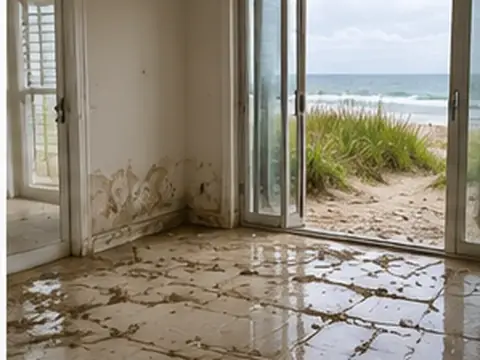
The category ladder
- Category 1, cleanSupply lines, rain and sink overflow caught early.
- Category 2, grayWasher, dishwasher or AC water that has picked up debris.
- Category 3, blackSewage, septic overflow and flood water.
Water left standing for more than 48 hours moves up one category.
Restoration companies sort water damage into three categories. It sounds technical, but it comes down to one question. How dirty is the water, and what can touch it?
The category decides what stays in the house, what gets thrown out and who should do the cleanup.
Category 1, clean water
Clean water comes from a broken supply line, a faucet left running or fresh rain. It carries no contaminants when it comes out of the pipe. Floors and walls can usually be dried in place.
The catch is time. Clean water does not stay clean, because it picks up dirt, bacteria and mold spores as it sits.
Category 2, gray water
Gray water has contaminants that can make people ill. A washing machine overflow, dishwasher discharge or AC drain overflow fits here. A toilet overflow with only urine can also be gray.
Carpet pad and porous materials that soaked it up usually come out. Hard surfaces can be cleaned and dried.
Category 3, black water
Black water is grossly contaminated. Sewage backup, septic overflow, river or storm flood water and standing water that has sat for days all belong here. Floor drains that back up into a house are in this category.
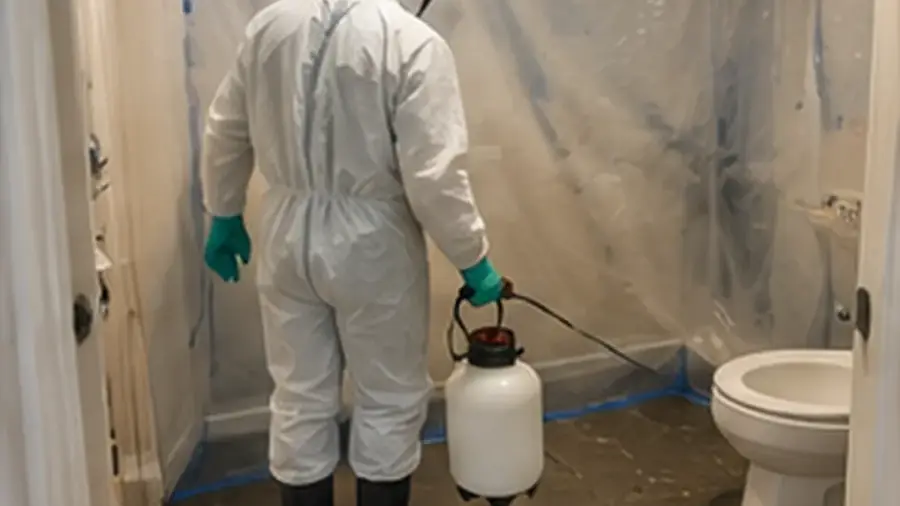
Porous materials are removed, and cleaning includes sanitizing. Protective gear is required, and people and pets stay out.
Examples from around the house
It helps to match the categories to situations you might meet. A supply line to a faucet that splits, a bathtub that overflows while the water is clean and a roof leak caught fast are all clean water at the start. A dishwasher that backs up into the kitchen, a washing machine hose that fails and an AC pan that overflows are gray.
Toilet overflow that includes waste, a sewer line that backs up through a floor drain, a septic tank that surfaces after heavy rain and a river or storm surge that enters the house are black. When it is not clear which fits, treat it as the higher category until someone has looked.
Why the first call includes questions about the source
When you phone a restoration company, expect questions about where the water came from, how long it has been there and what it has touched. Those answers decide the category, and the category decides the gear, the crew and the plan.
It also decides what you should do before anyone arrives. For clean water, you may be able to lift items and mop. For gray or black water, the advice changes to staying out of the area and keeping children and pets away.
If you can, tell the caller whether the water has touched carpet or drywall, since porous materials are the biggest cost driver once a category is set.
What changes in the cleanup for each category
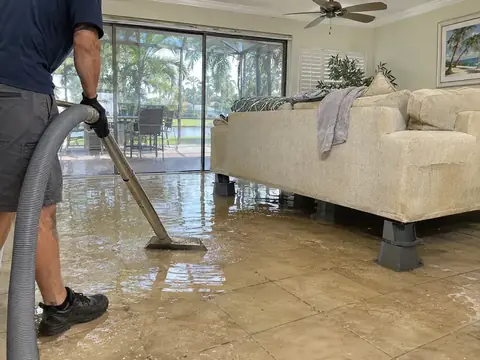
For category 1, the work is mostly extraction and drying. Carpet can often be lifted and dried, and the pad is checked. Walls are measured and dried in place when readings allow.
For category 2, more material comes out. The carpet pad is usually removed, hard surfaces are cleaned, and walls that took in the water are opened when readings are high. Crews wear gloves and other protection.
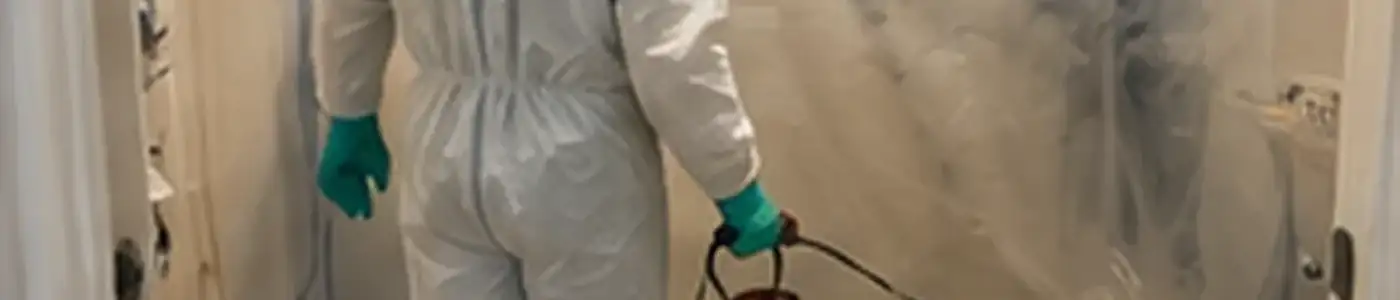
For category 3, the plan changes more. The area is sealed off, protective gear is mandatory and any porous material that touched the water is removed. Everything that stays is cleaned and treated, and the area is dried and checked before anyone moves back in.
Because of those differences, two jobs of the same size can look very different in cost and in the days they take. If someone quotes you without asking where the water came from, that is a reason to ask more questions.
How categories and insurance conversations meet
When a claim is reviewed, the source of the water and how long it sat often come up. A burst supply line that was dried quickly sits in a different place from sewage that soaked carpet for days. The category gives a shared language for what happened and what the cleanup involved.
It helps to write down the source and the time you first saw the water, even if you are not sure of the category. Photos of the water, the damaged materials and any readings add to the record. Our post on how homeowners insurance often treats water damage shows how common situations are often treated and what questions to ask your agent.
If flood or surge is involved, the category is almost always the highest, and the policy question changes too. Salt water versus fresh water flooding explains why salt water is handled differently, and the same logic applies to brackish water near the river.
How time pushes water down the ladder
A clean supply-line leak that sits for more than 48 hours is treated one category higher. Bacteria multiply in warm, still water, and in Florida they do it quickly.
This is the most useful thing to remember. Fast extraction keeps water in a lower category and lowers the work needed.
Who should do the cleanup
A small clean water spill that you catch in minutes is a DIY job. Anything in categories 2 or 3 needs more care. Our sewage cleanup page explains how contaminated water is handled, and older Gifford homes with aging drain lines can see what applies to water damage help in Gifford.
Questions readers ask
SafetyCan I tell the category by looking at the water?
Not reliably. Clear water can be contaminated and cloudy water can be clean. Source and time are better guides than color.
CostWhy does category change what I pay?
Higher categories need protective gear, more removal and sanitizing. The same area costs more to restore.
InsuranceDo insurers use these categories?
Many do when they review a claim. Keeping photos and notes on the source helps explain what category applied.