
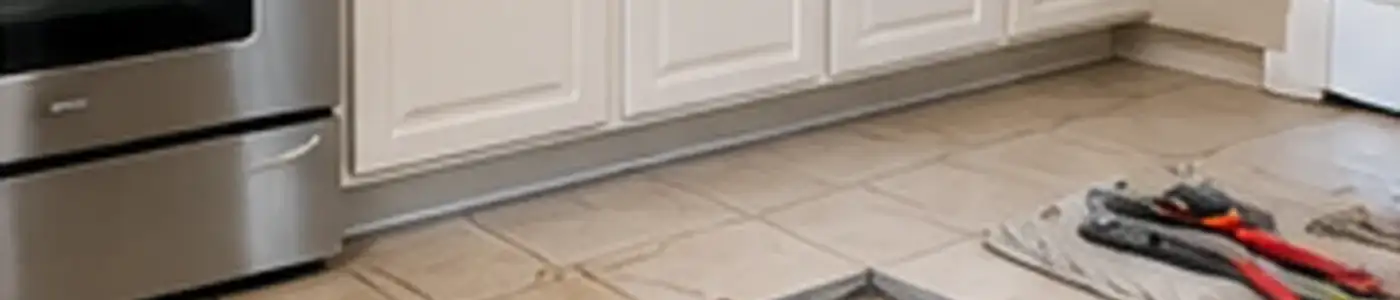
- Ground and soil
- Poorly drained sandy soil with a high water table
- Common home type
- Many older homes, some raised on piers
- Top water risk
- Aging plumbing leaks and moisture under the subfloor
- What we check first
- Drain and supply lines, then the underside of the floor
Water damage restoration in Gifford, FL starts with the age of the house. Gifford is an established mainland community about 2.6 miles from Vero Beach, and many homes here were built decades ago, when plumbing and floor framing were done differently.
Older plumbing fails slowly and quietly. A weeping joint or a cracked drain can leak into a floor for a long time before a stain shows up, and the sandy ground below does not drain well enough to carry the water away.
Water damage restoration services we provide in Gifford, FL
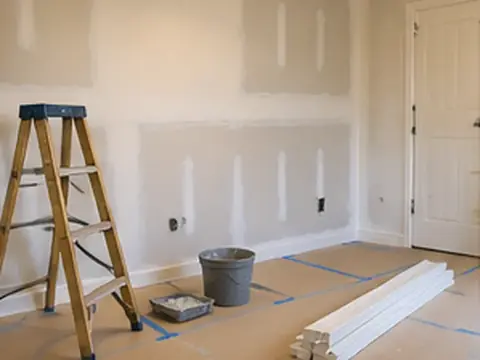
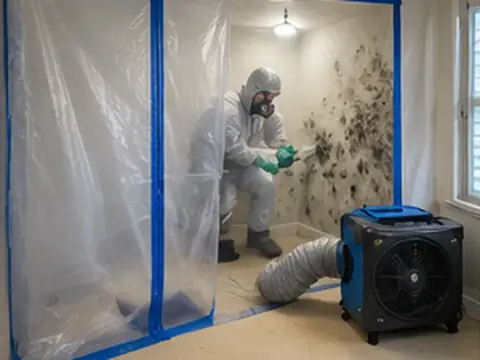
Gifford water extraction and drying services near you
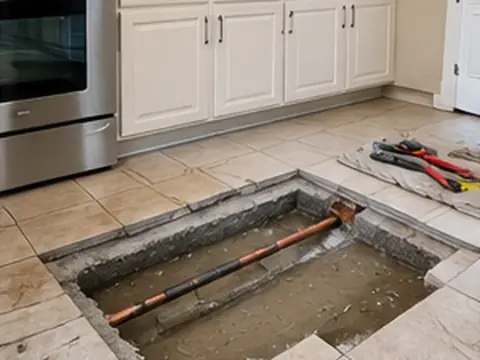
Burst Pipe and Slab Leak Cleanup
Cleanup when an old line gives out, with drying of floors and walls.
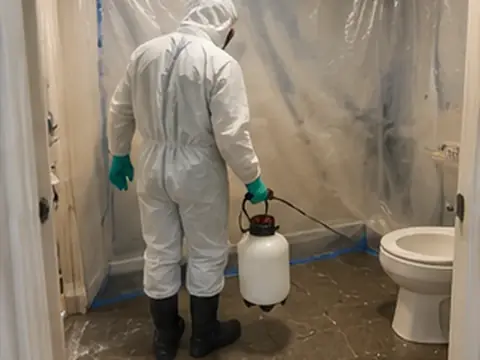
Sewage Cleanup
For cracked or blocked drain lines that back up into tubs and floor drains.
Other jobs people call us about
| If you are looking for | See |
|---|---|
| Broken pipe, supply line or plumbing leak cleanup | Burst Pipe and Slab Leak Cleanup |
| Finding a hidden leak or mapping moisture inside a wall | Water Leak Detection |
| Toilet overflow, sewer backup or septic backup | Sewage Cleanup |
| Drywall replacement, baseboards or a rebuild after a leak | Water Damage Repair |
| Mold testing, mold cleanup or a musty smell | Mold Removal |
| Drying out a wet house with dehumidifiers and air movers | Structural Drying |
Where older Gifford homes lose water
Aging drain and supply lines
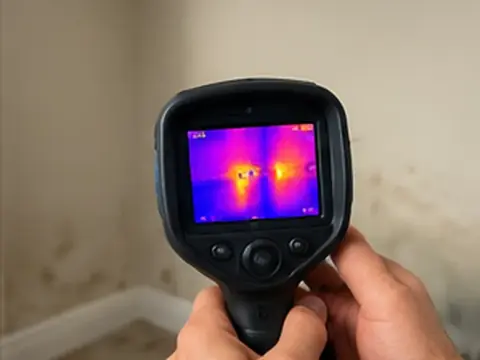
Many older homes still have cast iron drain lines, which rust from the inside and can crack or leak at joints over time. Older supply plumbing can pit and pinhole. We trace the wet area with meters and a thermal camera, then hand the findings to a plumber for the repair.
Moisture under raised floors
Some older homes sit on piers with open space beneath. Humid air, a plumbing leak or poor ground drainage can keep that space damp. Moisture builds against the subfloor and can eventually soften wood and rot joists. Cupped floors or a spongy feel underfoot are signs we look into.
Ground that holds water
The soil here is sandy flatwoods with a high water table. After long rain the ground under and around a raised home can stay wet, so a small leak has less chance to drain away and more time to cause damage.
Where water hides in an older raised home
Looking under an older house
If your home is raised on piers, a look underneath tells a lot. We check the ground for standing water or damp soil, the underside of the subfloor for dark staining and soft wood, and any pipes for drips or corrosion. Insulation that sags or looks wet means water has been there.
We take readings on the joists as well as the subfloor, because wood that stays damp for long stretches is where rot starts. The fix can include repairing the leak, improving drainage around the house and drying the space. Structural repair is a carpenter's call, and we coordinate so drying comes first.
Old drain lines also give warnings. Repeated slow drains, a sewage smell near a floor drain or a patch of wet soil in the yard can mean a cracked line. A plumber can run a camera through the pipe to see it from the inside. If a line has leaked under the house, tell us so we can check the framing and insulation nearby.
Older houses were built to older standards, and repairs over the years can hide how water moves. A bathroom may have been remodeled over the original drain. A patch of flooring may sit on a newer subfloor than the rest. We map moisture across the whole floor and not just near the stain, because the source is often several feet from the damage you see.
We also ask about past repairs and leaks, since an earlier fix can point to a weak spot. Findings go to your plumber and, if framing is soft, to a carpenter, so each trade starts with the same information. If a plumber says a line must be replaced, ask for the report in writing for your insurer.
Older plumbing and what it tends to do
| Material | Common problem | Sign you may notice |
|---|---|---|
| Cast iron drain | Rusts through at joints and along the bottom of the pipe | Slow drains, sewage smell, damp soil under the house |
| Galvanized supply | Corrodes inside and develops pinholes | Low pressure, rusty water, small wet spots |
| Older copper supply | Pinholes and failing joints | Damp spots and green staining |
| Old valves and fittings | Seals that weep or valves that will not close | Drips under sinks and behind toilets |
What to do in the first two days
- 0 hoursShut off the main valve. If a drain is backing up, stop using water in the house.
- Hour 1Walk the floors and note any soft, cupped or stained areas.
- Day 1If you can see under the house safely, photograph pipes, insulation and soil. Stay out of standing water and away from wiring.
- Day 2Get moisture readings on the subfloor and joists. A surface that feels dry does not mean the wood is dry.
- After thatA plumber repairs the line, then drying, then any rebuild.
Reference notes for older homes
Signs the space under a raised home is damp
A musty smell indoors, floors that feel spongy, boards that cup, doors that start to stick and insulation that sags below the floor are all clues. Mold may begin growing as soon as 24 to 48 hours after materials get wet in wet wood.
Who does what on an older home
A plumber repairs or replaces lines. We remove water, dry the structure and check for mold. A carpenter handles rotted framing. Drying comes first so repairs go into dry wood.
Photos worth taking
Take wide shots of each room, close-ups of stains and soft spots, and any view of pipes and insulation you can safely get. Add dates. These help when a plumber and an insurer both need to see what happened.
Questions from Gifford homeowners
CostShould I replace old cast iron drains after a leak?
That is a plumber's call. We dry and clean up the damage, and a plumber can scope the line and tell you whether a repair or replacement makes sense.
MoldHow can I tell if the space under my house is damp?
A musty smell inside, floors that feel soft and cupped boards are clues. A moisture reading on the underside of the subfloor gives a clear answer. Mold growth can begin in as little as 24 to 48 hours in damp wood.
InsuranceWill insurance cover a leak from old plumbing?
It depends on the policy and whether the leak was sudden or gradual. Many policies treat wear and tear differently. We cannot promise coverage. Photos and readings from the visit are handed to you for your insurer.
Seasonal risk through the year in Gifford, FL
Hurricane season
June to NovemberStorm rain can flood the ground around piers and push water against the foundation.
Summer rainy season
Summer monthsLong wet spells keep the soil saturated, which slows drying under raised floors.
Winter dry season
Winter monthsDry weather is a chance to inspect under the house and check for damp framing.
Snowbird departures
SpringSeasonal residents who leave in spring should shut the main valve, since old lines can fail unseen.