Seven warning signs
- Warm spots on the floor. A hot water line leaking under tile can warm one patch.
- The sound of running water. You hear it with every fixture off.
- A rising water bill. Usage climbs with no change in the household.
- A moving water meter. It runs with all water off.
- Damp baseboards. Wet trim with no visible source.
- Lifting or cracked tile. Wet ground pushes up on the slab.
- Low water pressure. Several fixtures lose pressure together.
A slab leak is a leak in a pipe that runs under or inside the concrete floor of a house. In Florida, where slab construction is the norm, it is one of the most common hidden plumbing problems.
Water under the slab does not announce itself. These seven signs are how most homeowners find out.
Signs you can feel and hear
A warm patch on a tile floor usually points to a hot water line. Walk barefoot and notice it. The sound of running water when everything is off is another, and it is easier to hear at night.
Both signs call for a call to a plumber, and for a moisture check of the surrounding floor and walls.
Signs on the bill and the meter
A water bill that climbs while the household stays the same is a strong clue. So is a water meter that moves when every fixture is off. You can test it by turning everything off, reading the meter and checking again an hour later.
A leak outside the house can also move the meter, so a plumber has to narrow down where.
Signs in walls and floors
Damp baseboards on one wall, tile that lifts or cracks in a line and a musty smell in one room can all come from water moving up through the slab or under the wall plate.
These signs are slow, which is why they get ignored. By the time they show, the wet area is often large.
How plumbers locate a slab leak
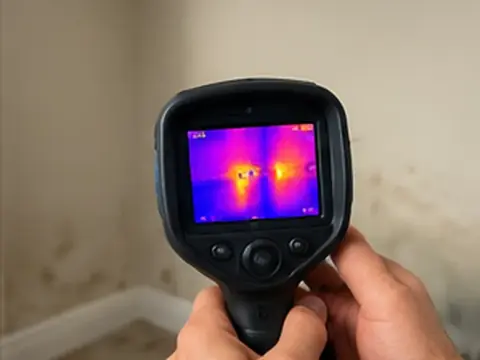
A plumber usually starts with a pressure test on the lines to confirm that a leak exists. Then comes the hunt for where. Acoustic equipment listens for the sound of water escaping, and thermal cameras can show warm lines for hot water leaks.
Tracing tools follow a line through the concrete so the plumber knows where each pipe runs. Marking the spot before cutting keeps the opening small and the repair neat.
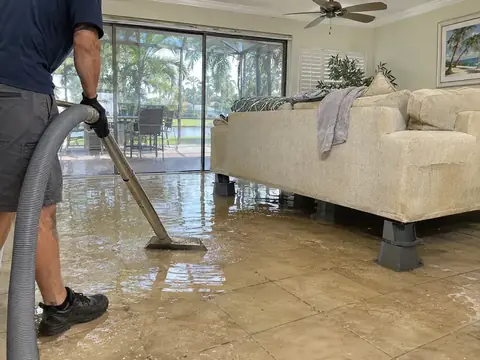
Moisture readings from a restoration company add to the picture by showing how far the water has traveled, which tells you the extent of the drying job.
What repairs generally look like
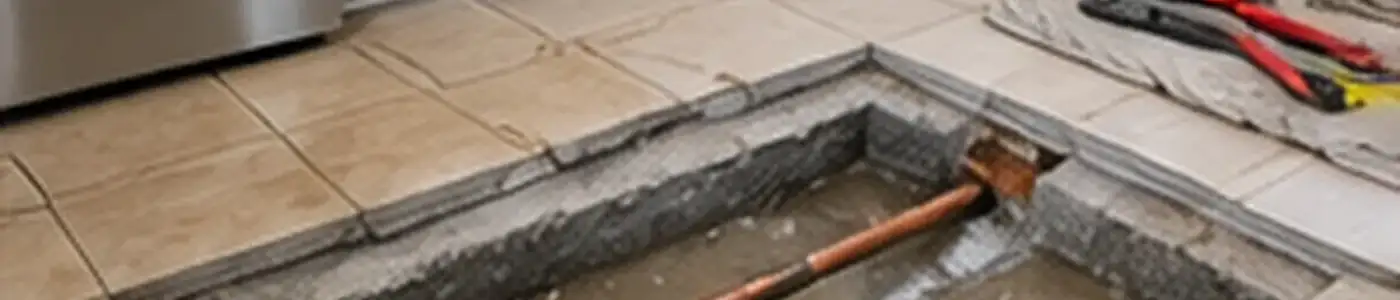
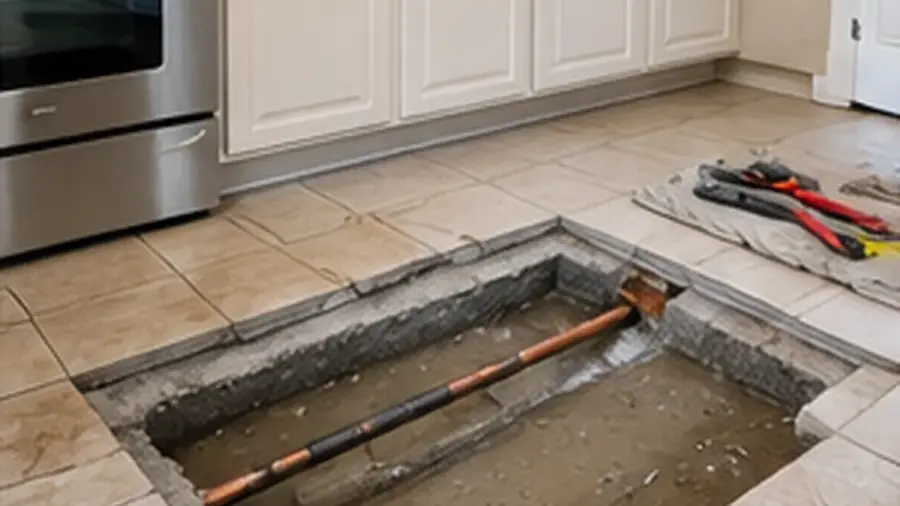
There is more than one way to fix a slab leak. A plumber can break the slab at the leak and repair the pipe directly. A line can be rerouted through walls or the attic so the failed section is abandoned. In some cases, a whole run of old piping is replaced.
Which is right depends on the age of the plumbing, how many leaks there have been and the layout of the house. Get the plumber to explain the choice and what it means for flooring.
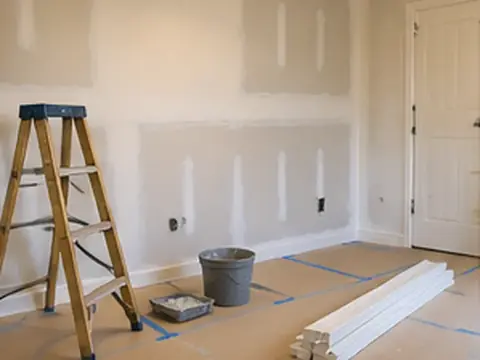
Whatever route is used, the floor and walls near the leak will need to be dried, and any flooring that was cut will need to be put back.
Things that look like a slab leak but are not
Several problems mimic a slab leak. A running toilet can move the meter and raise the bill. An irrigation leak outside can cause the same, and so can a leaking pool fill line. Damp spots near the foundation may come from a downspout or a grading problem.
A warm floor can come from a sunny window or from heating ducts under the slab in some houses. Cracked tile can come from a settling slab with no water involved at all.
This is why a plumber confirms a leak before anyone cuts concrete. Check the easy things first, such as toilets, outdoor taps and irrigation timers, and then call for help with the meter reading and notes you have taken.
What a slab leak does to the rest of the house
A leak under the slab does more than waste water. It can soften the soil under the concrete, stain flooring from beneath and push moisture into the bottom of walls. In humid weather that moisture keeps the whole lower house damp.
That is one reason a musty smell is often the first sign. If you notice one with no obvious source, our guide on where to look when a house smells musty suggests a weekend plan for tracking it down. Tell the plumber about the smell too, since it shows where the water may be traveling.
Once the line is repaired, the floor and walls still need drying. What to do in the first hour after a pipe bursts covers the early steps for sudden leaks, and the same logic applies to the slow kind. Insurers often ask whether damage was sudden or gradual, so keep the plumber's report with your photos and see how homeowners insurance often treats water damage for how that tends to matter.
Signs in the plumbing
Low pressure at several fixtures at once suggests a leak in the main supply. Rust-colored water or a change in taste can point to a failing line.
Older copper and galvanized lines are more likely to fail, though newer lines can fail too.
What to do next
Test the meter, shut off the main valve if you hear running water and call a plumber. Ask for a leak location, not a guess. Our water leak detection and moisture mapping page explains how we map moisture, and owners in older water damage restoration in Gifford neighborhoods can see what we check there.
Questions readers ask
CostDoes a slab leak always mean tearing up the floor?
Not always. A plumber can sometimes reroute the line through walls or the attic. Which fix is right depends on where the leak is.
InsuranceIs a slab leak covered?
Coverage turns on your policy and on how the loss is classified. Ask your agent, and keep your plumber's report.
Drying timeHow long does a slab take to dry?
Several days is common, and longer if the leak ran for a while. We check readings until they are normal.